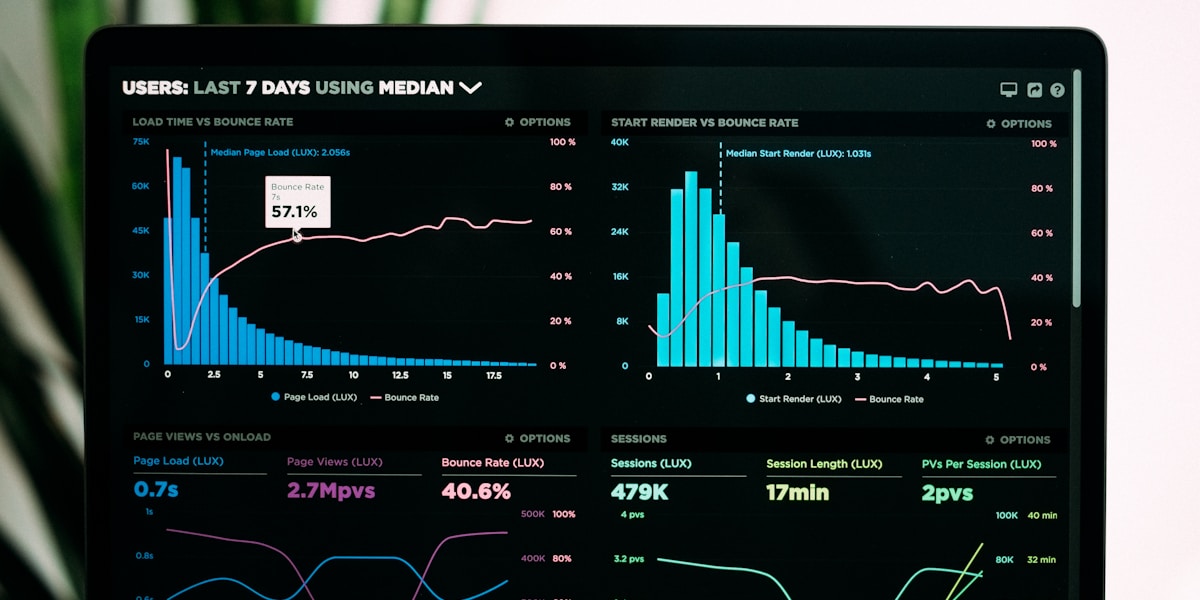
In today's hyper-competitive business landsca pe, organizations are drowning in data but starving for insights. Every click, transaction, customer interaction, and operational process generates massive v olumes of information. The companies that thrive are not those that simply col lect this data, but those that transform it into actionable intelligence. Data analytics has emerged as the cornerstone of modern business strategy, enabling organizations to move beyond gut instincts and base their decisions on hard ev idence. For businesses seeking to maintain a competitive edge, understanding a nd leveraging data analytics is no longer optional—it's essential for survival .
Understanding the Four Pillars of Data Analytics
Data analytic s is not a monolithic concept; it encompasses four distinct types, each servin g a unique purpose in the decision-making hierarchy. Descriptive analy tics answers the question "What happened?" by examining historical da ta to identify patterns and trends. This foundational level helps businesses u nderstand their current position and past performance. Diagnostic anal ytics digs deeper to answer "Why did it happen?" by identifying corre lations and root causes behind specific outcomes. This level of analysis is cr ucial for troubleshooting issues and understanding the factors driving success or failure.
Moving beyond the past, predictive analytics leverages statistical models and machine learning algorithms to forecast fut ure outcomes, answering "What will happen?" This forward-looking approach enab les businesses to anticipate market trends, customer behaviors, and potential risks before they materialize. Finally, prescriptive analytics represents the pinnacle of data-driven decision making, answering "How can w e make it happen?" by recommending specific actions to achieve desired outcome s. Together, these four pillars create a comprehensive framework that empowers businesses to make decisions at every level of complexity and time horizon.
Transforming Decision Making Across Business Functions
The impact of data analytics extends across every department and function within an organ ization. In marketing, analytics enables precise customer segmentation, campai gn optimization, and ROI measurement. Marketers can now track customer journey s across multiple touchpoints, identify the most effective channels, and perso nalize messaging at scale. In operations, predictive analytics helps optimize supply chains, forecast demand, and prevent equipment failures before they occ ur. Manufacturers use sensor data and analytics to implement predictive mainte nance, reducing downtime and extending asset lifespans.
Human resources departments leverage analytics for talent acquisition, employee retention, and workforce planning. By analyzing patterns in hiring data, performance metrics, and employee feedback, HR leaders can identify the characteristics of top perf ormers and predict which candidates are most likely to succeed. Finance teams use analytics for fraud detection, risk assessment, and financial forecasting. Real-time analytics enables CFOs to monitor cash flow, identify cost-saving op portunities, and make more accurate projections. This cross-functional applica tion of data analytics creates a cohesive, intelligence-driven organization wh ere every decision is informed by evidence.
The Competitive Advantage o f Data-Driven Culture
Organizations that successfully embed data analyt ics into their decision-making processes gain significant competitive advantag es. They respond faster to market changes because they can detect shifts in re al-time rather than waiting for quarterly reports. They make fewer costly mist akes because decisions are validated by data rather than assumptions. They ide ntify opportunities that competitors miss because they can spot emerging patte rns in vast datasets that would be invisible to human observation alone.
Perhaps most importantly, data-driven organizations foster a culture of conti nuous improvement. When decisions are based on measurable outcomes, teams can experiment, learn, and iterate rapidly. A/B testing, for example, allows busin esses to compare different approaches and let the data determine the winner. T his empirical mindset reduces the risk of innovation and encourages creative p roblem-solving. Companies like Amazon, Netflix, and Google have built their en tire business models around data analytics, using algorithms to personalize ex periences, optimize operations, and predict customer needs with remarkable acc uracy.
Overcoming Challenges in Data Analytics Implementation
De spite its transformative potential, implementing effective data analytics is n ot without challenges. Many organizations struggle with data quality issues, w here inconsistent, incomplete, or inaccurate data undermines analytical effort s. Data silos present another major obstacle, with different departments hoard ing information in incompatible systems. Breaking down these barriers requires both technological integration and cultural change. Privacy and security conce rns also loom large, especially with increasing regulations like GDPR and CCPA . Organizations must balance the desire for insights with their obligation to protect sensitive information.
Additionally, there is a significant skil ls gap in the analytics field. The demand for data scientists, analysts, and e ngineers far outstrips supply, making it difficult for many companies to build capable analytics teams. This challenge has led to the rise of self-service an alytics platforms and automated machine learning tools that democratize access to advanced analytics capabilities. However, technology alone cannot solve the human side of the equation. Successful analytics initiatives require executive sponsorship, clear business objectives, and a commitment to data literacy acro ss the organization.
Getting Started with Data Analytics
For bus inesses beginning their data analytics journey, the key is to start with clear business objectives rather than technology. Identify specific decisions that c ould benefit from better information, and work backward to determine what data and analysis are needed. Begin with descriptive analytics to establish a basel ine understanding of current performance, then gradually progress to more adva nced predictive and prescriptive capabilities. Invest in data infrastructure t hat ensures quality, security, and accessibility. Most importantly, cultivate a data-driven culture where employees at all levels are encouraged to ask ques tions, challenge assumptions, and seek evidence before making decisions.
Partnering with experienced IT services providers can accelerate this transfo rmation. External experts bring specialized skills, proven methodologies, and objective perspectives that complement internal capabilities. They can help de sign data architectures, implement analytics platforms, and develop custom sol utions tailored to specific industry needs. Whether building an in-house analy tics capability or leveraging managed services, the investment in data analyti cs pays dividends through better decisions, improved efficiency, and sustainab le competitive advantage.
Conclusion
Data analytics has fundamen tally changed how businesses operate and compete. In an era where information is abundant but insight is scarce, the ability to extract meaning from data se parates market leaders from followers. Organizations that embrace analytics as a core competency will continue to outperform those that rely on intuition alo ne. As technologies like artificial intelligence and machine learning mature, the possibilities for data-driven decision making will only expand. The questi on for business leaders is not whether to invest in data analytics, but how qu ickly they can harness its power to drive their organizations forward.